Architectural

Tension Membranes

Versatile, lightweight, and sustainable — an excellent option for architects and engineers designing roofing systems over large areas.

Overview

Sustainable architecture, engineered to last

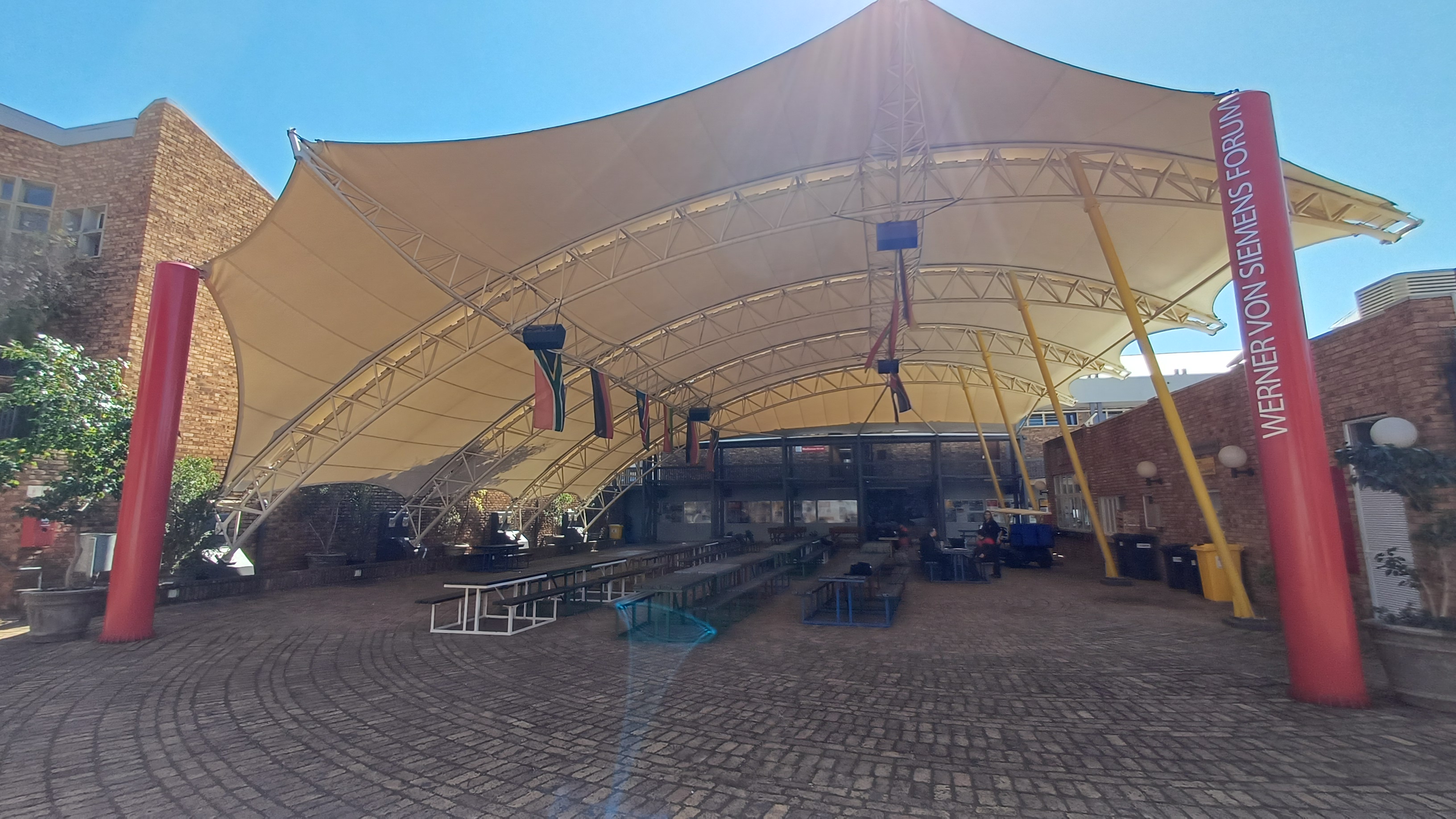
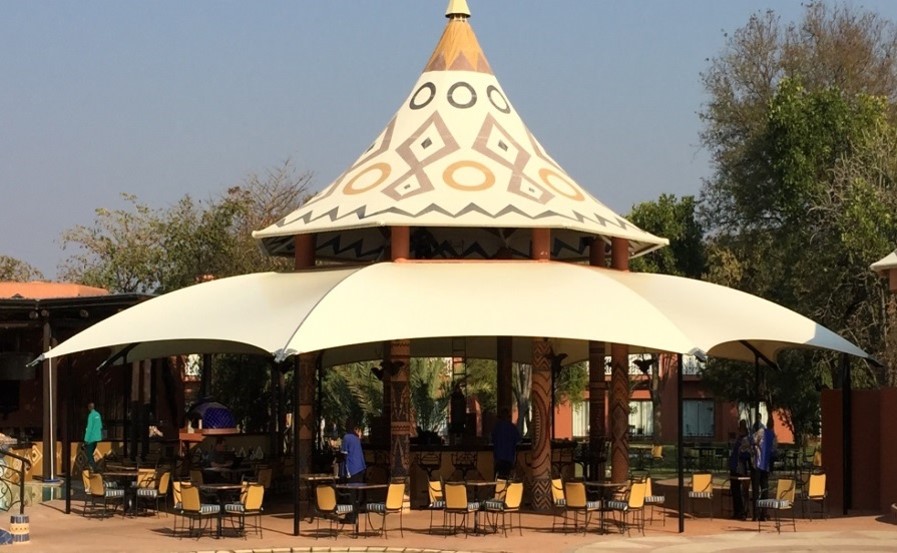
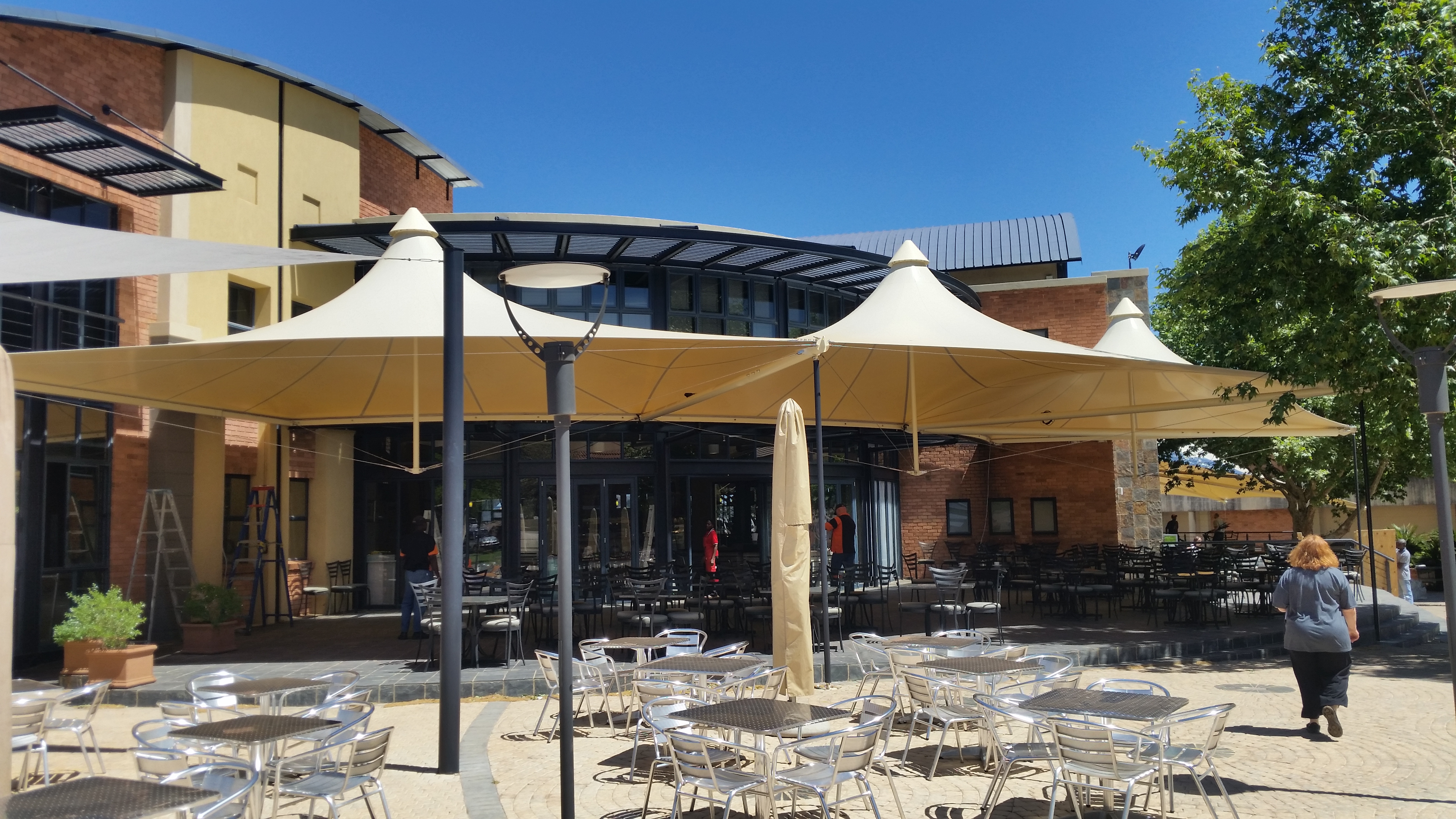
Tension fabric has distinctive physical characteristics that make it an exceptionally adaptable construction material. Its lightweight, translucent, and reflective qualities support energy and material efficiency — which is why we position tension membrane structures as a genuinely sustainable choice, aligned with environmental stewardship principles.

Pre-stressed during installation, the fabric is engineered to carry the wind, snow, and gravity loads typical of a roofing system, while remaining dramatically lighter than conventional roofing. For architects and engineers pursuing sustainable building projects, that combination of strength and material efficiency is hard to match — particularly over large or awkwardly shaped roof areas.
Why Tension Membrane

Built for climate and clarity

Performs across diverse climates, from extreme heat to cold
Fire-resistant fabric with self-cleaning properties — rinses clean with water
Pre-stressed to support wind, snow, and gravity roof loads
Lightweight — conserves materials and energy over large roof areas
Translucent and reflective for natural, energy-efficient light
Ideal for architects and engineers designing sustainable buildings
Our Work

Tensile Membranes in the field

Soltis 502 tensile membrane structure Tensile membrane roof at Mosaiek Church, Fairlands Tensile membrane canopy at DSP School, Pretoria

Designing a special Project?

Tell us about your project and we'll put over three decades of experience behind it.

GET A QUOTE